Create Reviews: A Comprehensive Guide to Establishing Credibility and Influencing Choice

Have you ever wondered why some businesses effortlessly gain trust while others struggle to convert visitors into customers? Or why a simple review can influence your decision more than a detailed advertisement? The answer lies in how effectively businesses create reviews that feel authentic, timely, and valuable.
If you're looking for a clear answer upfront, the best way to generate impactful reviews is to ask at the right moment, make the process effortless, and guide customers subtly without forcing their voice. When done correctly, reviews become a powerful form of social proof that builds credibility and drives action.
Why Reviews Matter More Than Ever?
In today’s digital-first world, reviews act as modern word-of-mouth. Before making a purchase, most people seek reassurance from others who have already experienced the product or service. This behavior has transformed reviews into a critical decision-making factor.
What makes reviews so influential is their perceived honesty. Unlike branded messaging, reviews reflect real experiences, making them more relatable and trustworthy. A strong collection of reviews not only boosts confidence but also improves visibility across search engines, helping businesses stand out in competitive markets.
Beyond trust, reviews also shape perception. A business with consistent, positive feedback appears reliable and customer-focused, while a lack of reviews can raise doubts—even if the product is excellent.
How to Create Reviews That Feel Natural and Genuine?

The biggest mistake businesses make is treating reviews as a forced task rather than a natural extension of the customer experience. To truly create reviews that resonate, the process must feel effortless, authentic, and seamlessly integrated into the journey. This is where Review Centre Reviews play a powerful role in simplifying and streamlining the experience.
Timing plays a crucial role. The best moment to request a review is immediately after a positive interaction, when satisfaction is at its peak. Waiting too long reduces the emotional connection, making customers less likely to respond. By leveraging Review Centre Reviews, businesses can capture this exact moment with well-timed prompts, making it easy for customers to share their feedback while the experience is still fresh and meaningful. Equally important is simplicity. If leaving a review requires multiple steps or too much effort, most people will abandon the process. A direct link, clear instructions, and minimal friction significantly increase response rates.
Tone also matters. Instead of asking for a “positive review,” encourage honest feedback. This subtle shift removes pressure and results in more genuine responses, which ultimately carry more weight with future customers.
The Psychology Behind Customer Reviews
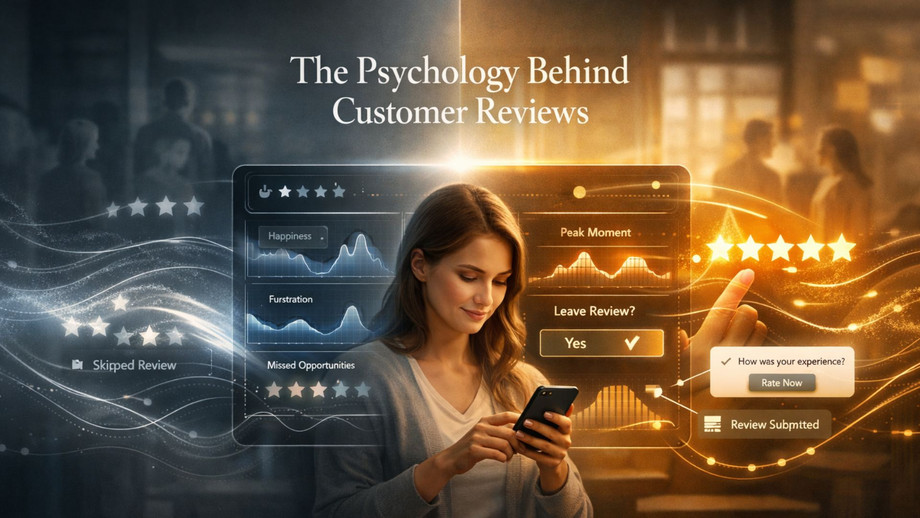
Understanding why people leave reviews can help you approach the process more effectively. Most customers don’t leave reviews because they were satisfied; they leave reviews when they feel strongly, whether positive or negative.
This means your goal is to gently prompt satisfied customers before their experience fades. A simple reminder can bridge the gap between intention and action.
Another key factor is ease of expression. People are more likely to share their thoughts when they feel guided. Providing a starting point, such as asking what they liked most, helps customers articulate their experience without feeling overwhelmed.
Trust also grows when reviews appear balanced. A mix of opinions, including occasional constructive feedback, makes the overall profile more believable. Perfect ratings with no variation can sometimes feel artificial.
Common Mistakes to Avoid
Many businesses unknowingly damage their credibility by approaching reviews the wrong way. One of the most common errors is offering incentives in exchange for positive feedback. While it may seem effective in the short term, it undermines trust and can violate platform guidelines across major Review Sites, ultimately harming your brand’s reputation instead of building it.
Another mistake is ignoring negative reviews. Instead of seeing them as setbacks, they should be viewed as opportunities to demonstrate professionalism and responsiveness. A thoughtful reply can turn a dissatisfied customer into a loyal one while also showing potential customers that you genuinely care.
Overcomplicating the process is another barrier. If customers have to search for where or how to leave feedback, they are unlikely to follow through. The easier it is, the more likely they are to participate.
Turning Reviews Into a Growth Engine

Once you start to create reviews consistently, they become more than just feedback; they become a growth tool. Reviews influence not only new customers but also internal improvements.
By analyzing recurring themes, businesses can identify strengths to highlight and weaknesses to address. This continuous loop of feedback and improvement creates a stronger overall experience.
Additionally, reviews can be repurposed across marketing channels. Featuring real customer experiences in your content reinforces authenticity and builds deeper connections with your audience.
Consistency is key here. A steady flow of recent reviews signals that your business is active and reliable, which further strengthens trust over time.
How Reviews Impact Search and Visibility?
Search engines prioritize content that demonstrates relevance and trustworthiness. Reviews contribute significantly to both. Fresh, keyword-rich feedback helps improve search rankings while also increasing click-through rates.
When potential customers see strong ratings alongside positive experiences, they are more likely to choose your business over competitors. This combination of visibility and credibility creates a powerful advantage.
Moreover, reviews often appear directly in search results, making them one of the first impressions users encounter. This means they influence decisions even before someone visits your website.
Conclusion
Reviews are no longer optional; they are essential. When approached thoughtfully, they become a natural extension of your customer experience rather than a forced request. By focusing on timing, simplicity, and authenticity, you can create reviews that feel genuine and build a steady stream of meaningful feedback that strengthens trust and drives growth.
FAQ: Quick Answers to Common Questions
How can I encourage more customers to leave reviews?
Ask at the right moment, keep the process simple, and make your request feel personal rather than automated.
Are negative reviews harmful?
Not necessarily. When handled professionally, they can enhance credibility and show that you value customer feedback.
How often should I request reviews?
Consistently, but without overwhelming customers. Focus on key moments of satisfaction.
Do reviews really impact buying decisions?
Yes, significantly. Most customers rely on reviews as a primary factor before making a purchase.
What makes a review trustworthy?
Authenticity, detail, and a balanced perspective make reviews more believable and influential.
Comments
Post a Comment